Buying Guides
How to Choose a Speaker Driver: Size, Power and Sound
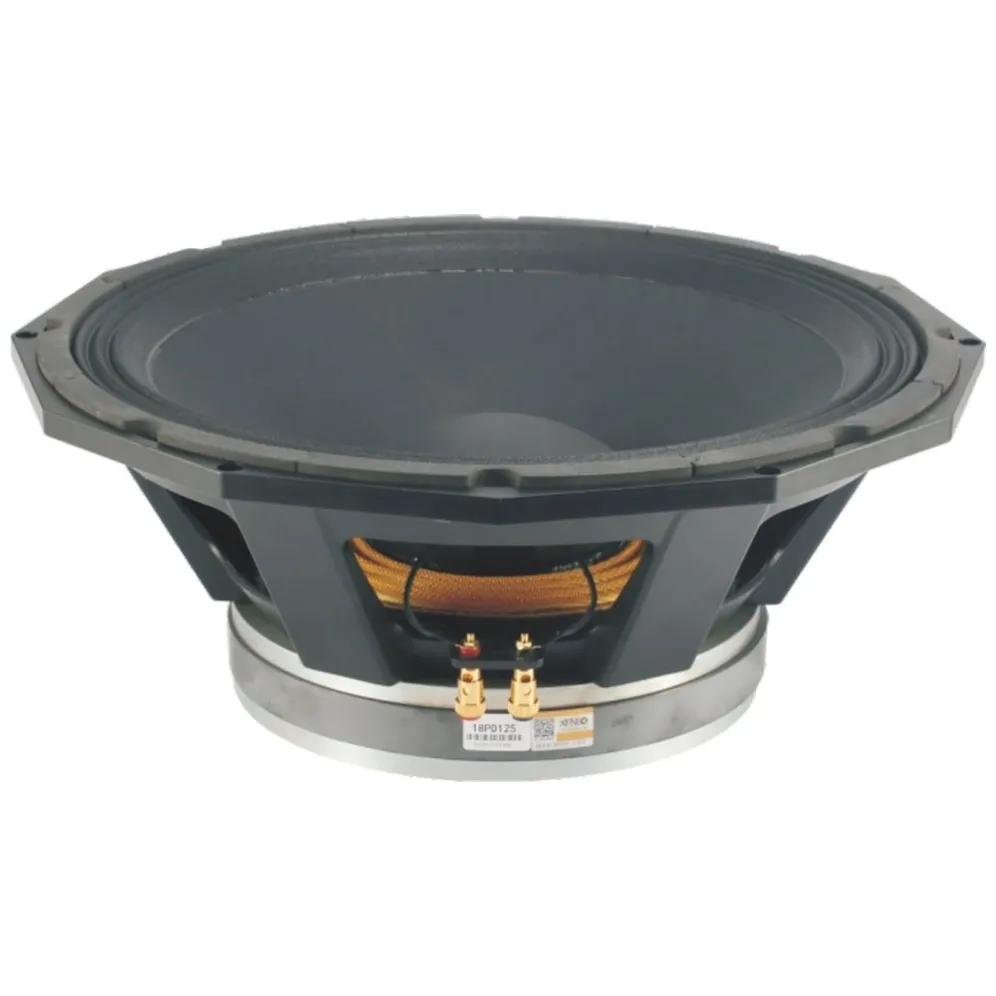
A speaker driver is the part that makes the sound. The cabinet is the box. The driver is the voice. If you choose the wrong driver, no cabinet can fix it. Here is how to choose the right one.
Start with the size
Size decides what the driver is good at. Big drivers move more air, so they make low sound. Small drivers move fast, so they make clear high sound.
- 4-inch to 6.5-inch drivers are for compact speakers and full-range boxes. They are light, clear, and good for voices and small rooms.
- 10-inch and 12-inch drivers are the middle. They carry voices and instruments with more body. Good for full-range speakers and stage monitors.
- 15-inch and 18-inch drivers are for bass and subwoofers. If you need low sound that people can feel in their chest, this is where it starts.
- 21-inch drivers are for very large subwoofers — big stages, big outdoor shows, and venues where the low end has to travel far.
- HF compression drivers make the high frequencies — the crisp top of the sound, the detail in a voice or a cymbal. They work with a horn, and they pair with a bigger driver that handles the low and middle.
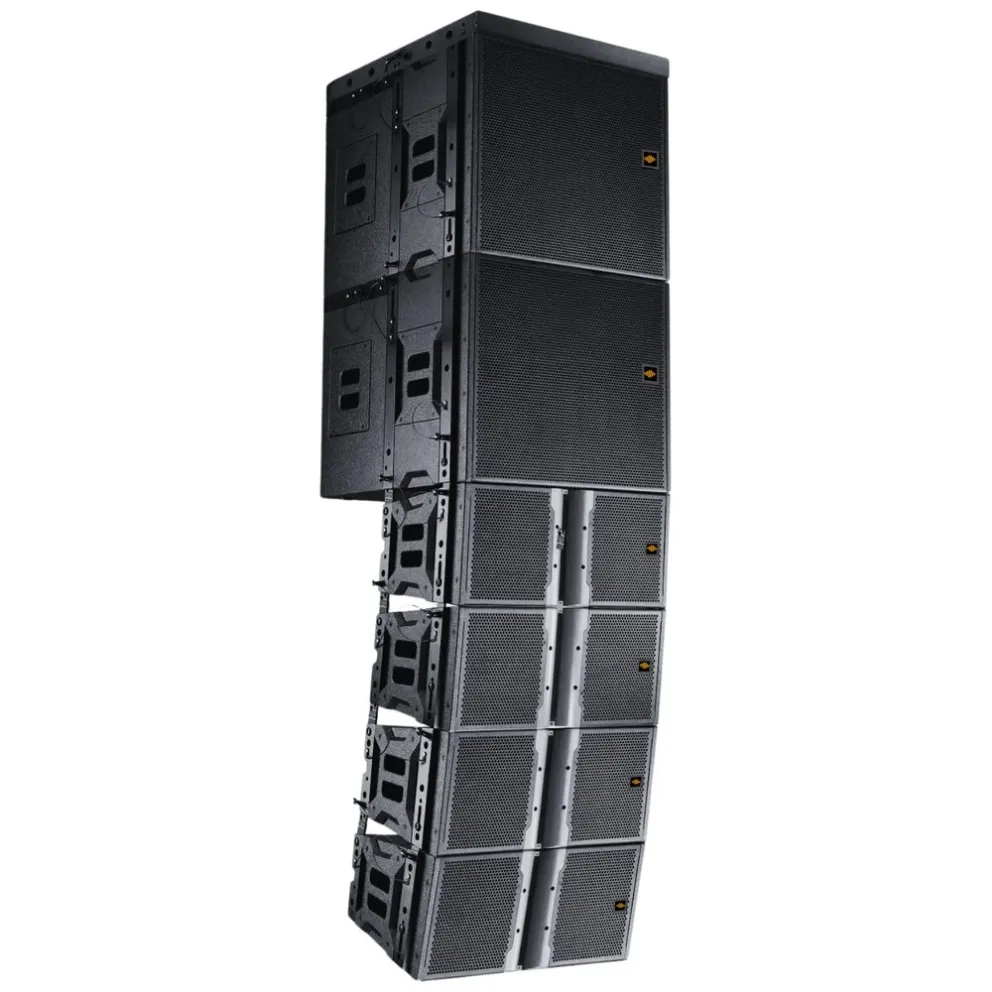
Most speaker systems use two or three drivers together: a big one for the lows, a middle one for voices, and a compression driver for the highs.
Check the power
Every driver has a power rating. The most important number is the RMS power — the power the driver can handle all day, not just for one second. Peak power is always higher, but RMS is the honest number.
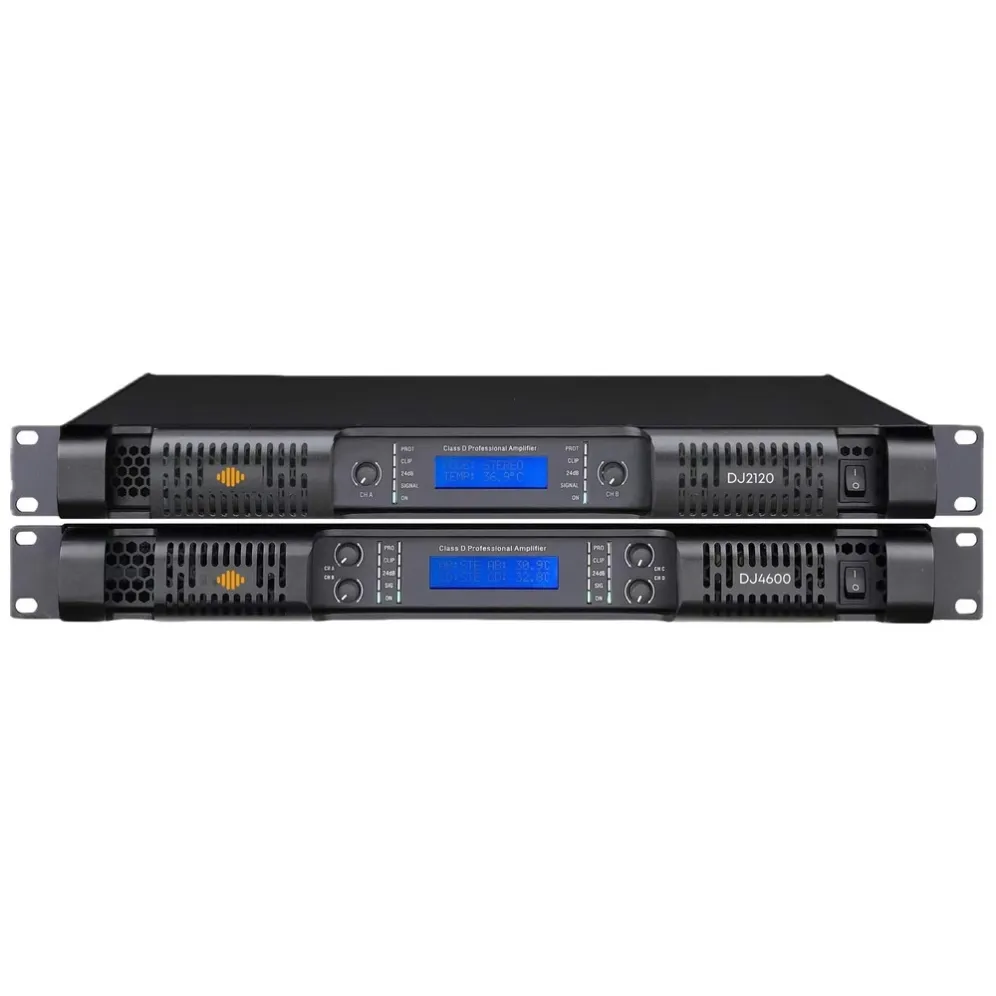
Your amplifier should match the driver's RMS power. Too little power, and the sound gets weak and distorted when you turn it up. Too much power, and you can damage the driver. If you are not sure, tell us your amplifier model and we will check the match for you.
Check the impedance
Most professional drivers are 8 ohms. Some are 4 ohms or 16 ohms. Your amplifier must support the impedance of your drivers, especially when you connect more than one speaker to one channel. If you connect the wrong impedance, the amplifier works too hard and can shut down or break.
Tell us how you will use it
The best driver depends on the job. Before you order, it helps to tell us:
- What kind of speaker are you building — a line array, a full-range box, a subwoofer, or a monitor?
- Where will it play — a small bar, a church, a theatre, or an outdoor stage?
- What amplifier will you use, and how much power does it give per channel?
- Do you have a drawing or an old driver you want to replace?
Send us the size, the power, and the use, and we will find the driver that fits. If you have an old driver, send us a photo and the numbers printed on it — we can often find the same one or a close match.
— Belinda, Brave Audio